English
In the digital age, where competition among offline stores is becoming increasingly fierce, the advertising machine has emerged as an indispensable asset. It goes beyond being a simple display device; rather, it serves as a multi - functional tool that can significantly enhance a store's visibility, customer engagement, and overall business performance.
One of the primary reasons the advertising machine is essential for offline stores is its ability to attract attention. In a bustling shopping area filled with various stores and distractions, standing out is crucial. Advertising machines, with their large - scale, high - definition displays and dynamic visual content, can effortlessly capture the eyes of passers - by. Bright colors, engaging videos, and eye - catching graphics create a sense of curiosity and draw potential customers into the store. For example, a clothing store can use an advertising machine to showcase its latest fashion collections in a vibrant video format, highlighting unique designs and styles. This visual appeal is far more effective than traditional static signage in enticing people to stop and take a closer look.
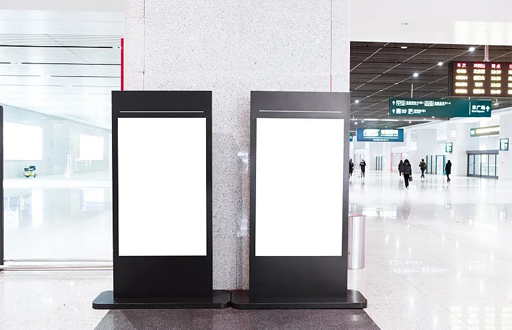
Moreover, advertising machines offer unparalleled flexibility in content management. Unlike printed posters or billboards that require time - consuming and costly changes, digital advertising machines allow store owners to update their promotional content in real - time. Whether it's a daily special offer, a new product launch, or a seasonal promotion, the message can be changed instantly. This flexibility enables stores to adapt quickly to market trends, customer demands, and competitor activities. A grocery store, for instance, can adjust its advertising machine content to highlight fresh produce that has just arrived or to promote items on sale for the day. This real - time updating ensures that the store's marketing efforts are always relevant and timely.
Another significant advantage is the advertising machine's potential to enhance customer engagement. Modern advertising machines often come with interactive features such as touch - screens. These interactive elements allow customers to explore products in more detail, view additional information, or even place orders directly through the machine. For example, a technology store might use an interactive advertising machine to let customers test - drive new software applications or learn about the features of a new smartphone model. This hands - on experience not only educates customers but also makes their shopping experience more enjoyable and memorable, increasing the likelihood of a purchase.
In addition, advertising machines can play a crucial role in brand building. Consistent and well - designed digital content displayed on these machines helps reinforce the store's brand image. By using brand - specific colors, logos, and messaging, stores can create a cohesive brand experience for customers both inside and outside the store. A coffee shop, for example, can use its advertising machine to display images of its cozy interior, the process of making coffee, and the friendly baristas, all of which contribute to building a warm and inviting brand image. Over time, this consistent branding helps build customer loyalty and makes the store more recognizable in the market.
Furthermore, advertising machines can provide valuable data analytics. Many advanced models are equipped with sensors and analytics tools that can track customer interactions, such as the number of views, touch - interactions, and the time spent on different content. Store owners can use this data to understand customer preferences, identify the most effective marketing strategies, and optimize their advertising content. For example, if data shows that customers are more interested in a particular product category displayed on the advertising machine, the store can focus more on promoting related products and adjusting its in - store layout accordingly.
In conclusion, the advertising machine has become an essential tool for offline stores due to its ability to attract attention, offer content flexibility, enhance customer engagement, build brand image, and provide valuable data analytics. In a highly competitive retail environment, stores that leverage the power of advertising machines are better positioned to stand out, connect with customers, and drive business growth. As technology continues to evolve, the capabilities of advertising machines are likely to expand further, making them even more indispensable for the success of offline stores.